If you are looking for a reliable solution for plaque on teeth, you are in the right place. Plaque often builds up quietly. No sharp pain. No sudden warning. Just a thin layer that slowly affects teeth and gums.
Many only notice it when the surface feels rough or the colour changes near the gumline. This blog explains what plaque really is, why it forms, and how to remove plaque safely without damaging teeth.
What Plaque Is And Why It Forms On Teeth
Plaque is a soft, sticky film made up of bacteria, food particles, and saliva. It forms naturally on teeth every day. When plaque in teeth is not removed properly, it starts to harden and becomes more difficult to manage.
The most common reasons plaque builds up include:
- Inconsistent brushing
- Skipping cleaning between teeth
- Frequent snacking or sugary drinks
Early Signs of Plaque in Teeth
Plaque rarely causes pain at first. The signs are usually subtle.
Common indicators include:
- Teeth feeling fuzzy after brushing
- Mild sensitivity to cold
- A yellow or dull appearance near the gums
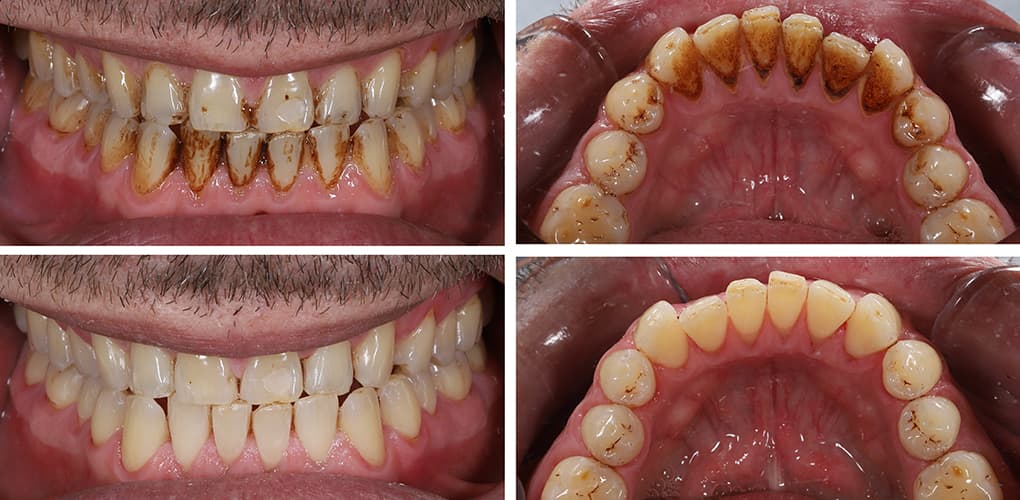
When plaque stays longer, colour can change. In some cases, black plaque on teeth may appear. This usually means plaque has hardened or mixed with staining substances.
Plaque vs Hardened Deposits
Fresh plaque is soft and can be removed with proper daily care. Hardened deposits are different. Once plaque hardens, it bonds strongly to the tooth surface.
This is why timing matters. Removing plaque early prevents it from turning into something brushing alone cannot fix.
How To Remove Plaque From Teeth Safely
Many ask how to remove plaque from teeth at home. Daily care does help, but it has limits.
1. Daily Habits That Help Control Plaque
Good plaque control depends more on consistency than force.
Helpful habits include:
- Brushing twice daily with gentle pressure
- Cleaning between teeth where plaque hides
- Reaching along the gumline carefully
2. When Professional Plaque Removal Is Needed
Once plaque hardens, professional cleaning becomes necessary. Brushing alone cannot remove hardened buildup safely.
At Dentalzorg, plaque removal is done with precision. Dental instruments used during cleaning have been professionally tested for five years and show excellent quality without causing harm. This careful approach protects enamel while removing plaque effectively.
Risks of Leaving Plaque Untreated
Plaque does not stay harmless. Over time, it irritates gums and weakens tooth structure.
Untreated plaque may lead to:
- Gum inflammation
- Increased risk of tooth decay
- Persistent bad breath
Black Plaque on Teeth: What It Means
Black plaque on teeth often causes concern. It usually indicates hardened plaque combined with staining or mineral deposits. While it may look alarming, it can often be removed safely with professional care.
Ignoring it allows the buildup to grow thicker and harder to remove later.
Preventing Plaque After It Is Removed
Removing plaque is only one part of care. Preventing its return matters just as much.
Simple prevention steps include:
- Maintaining daily cleaning routines
- Monitoring areas where plaque builds quickly
- Scheduling routine dental checks
Why Professional Guidance Makes a Difference
Not all plaque buildup is the same. Some areas require closer attention. Professional guidance helps identify risk areas early and adjust care before problems develop.
At Dentalzorg, the focus is on prevention as much as treatment. Cleanings are done with care, not force, and guidance is always personalised.
Final Thoughts
Plaque on teeth builds gradually, but its impact grows over time. Learning how to remove plaque safely and knowing when professional care is needed helps protect both teeth and gums. Early action keeps care simple and comfortable.
If plaque in teeth feels persistent or visible, a professional evaluation at Dentalzorg can help restore cleanliness and support long-term oral health.

