Root canal treatment still carries a reputation that doesn’t fully match reality. Many associate it with pain, discomfort, or a long recovery. In practice, the situation is more measured. The procedure is designed to remove infection and relieve pain, not create it.
Understanding what happens before, during, and after root canal treatment helps reduce uncertainty. It also makes it easier to recognise when discomfort is normal and when it needs attention.
Why Root Canal Treatment Is Needed
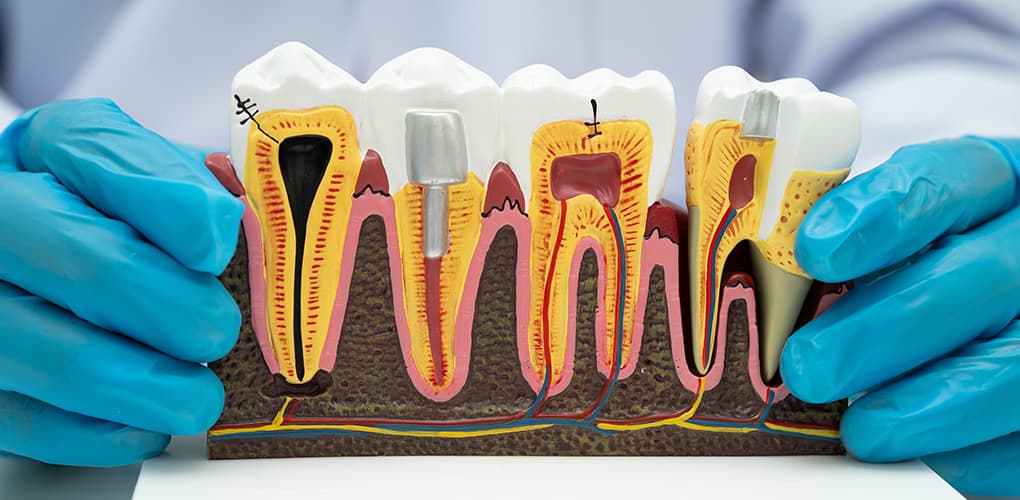
A root canal becomes necessary when infection reaches the inner part of the tooth. This area contains nerves and blood vessels. Once bacteria enter, pain often becomes deeper and more persistent.
Common reasons include:
- Deep decay
- Cracks in the tooth
- Old restorations that no longer seal properly
Does Root Canal Treatment Cause Pain?
Modern root canal treatment is performed under local anaesthesia. Sharp pain during the procedure itself is uncommon. Most discomfort reported is related to inflammation already present before treatment begins.
What Happens During Root Canal Treatment
During treatment:
- The area is numbed thoroughly
- Infected tissue is removed
- The canal is cleaned and sealed
Understanding Root Canal Pain After Treatment
Some level of soreness is expected after root canal treatment. This does not mean the procedure failed. It is often the body responding to the work done around the tooth.
Pain After Root Canal — What Is Normal
Normal sensations can include:
- Mild tenderness when biting
- Sensitivity around the treated tooth
- A dull ache that improves gradually
This type of pain after root canal care usually settles within a few days.
Signs That Pain May Need Review
Pain deserves attention when:
- It increases instead of improving
- Swelling appears or worsens
- Discomfort continues longer than expected
Managing Pain During Root Canal Treatment
Clinical pain control is a priority. Careful technique reduces trauma and supports faster recovery.
At Dentalzorg, root canal procedures are planned precisely. Dental instruments used during treatment have been professionally tested over five years, showing excellent quality without causing harm. This long-term testing supports controlled movement, accuracy, and tissue protection during care.
Small details matter during root canal treatment. Precision limits irritation and helps keep post-treatment pain manageable.
Managing Pain After Root Canal Care
Recovery does not require drastic measures, but a few adjustments help.
Practical Aftercare Guidance
After treatment:
- Avoid chewing on the treated side initially
- Maintain gentle oral hygiene
- Follow the advice on temporary sensitivity
Medication, if advised, should be taken as directed. Most root canal pain after care fades as inflammation settles.
When Pain After Root Canal Is Not Expected
Persistent pain is not common, but it can occur. Reasons may include:
- Residual infection
- Bite imbalance
- Delayed healing response
This is why follow-up appointments matter. Addressing issues early prevents further discomfort.
Why Follow-Up Care Matters
Root canal treatment often requires a final restoration. This protects the tooth and stabilises function. Without it, pressure distribution may feel uneven and cause discomfort.
Root Canal Treatment in the Netherlands
Dental care in the Netherlands follows structured clinical standards. Root canal treatment is approached conservatively, with emphasis on preserving natural teeth whenever possible.
At Dentalzorg, treatment planning takes into account long-term function, not just immediate relief. Care is paced and explained clearly, which helps reduce anxiety around procedures often misunderstood.
Final Thoughts on Root Canal Treatment and Pain
Root canal treatment is not about enduring pain. It is about removing the cause of pain. Mild soreness after care is usually part of healing, not a setback.
If pain after root canal treatment feels different, increases, or lingers, professional review is the safest next step. Booking a follow-up with Dentalzorg ensures proper evaluation and supports long-term oral health.

